
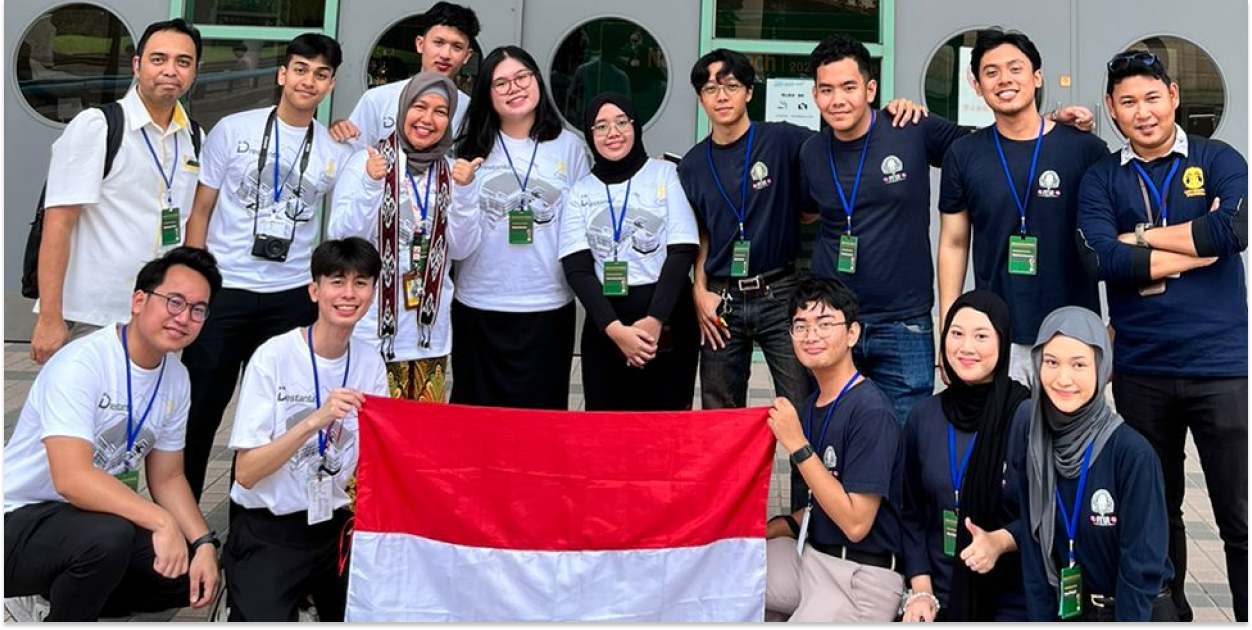
UI Architecture and Engineering Students Win Excellence Award at International Net-Zero Design Competition in Taiwan
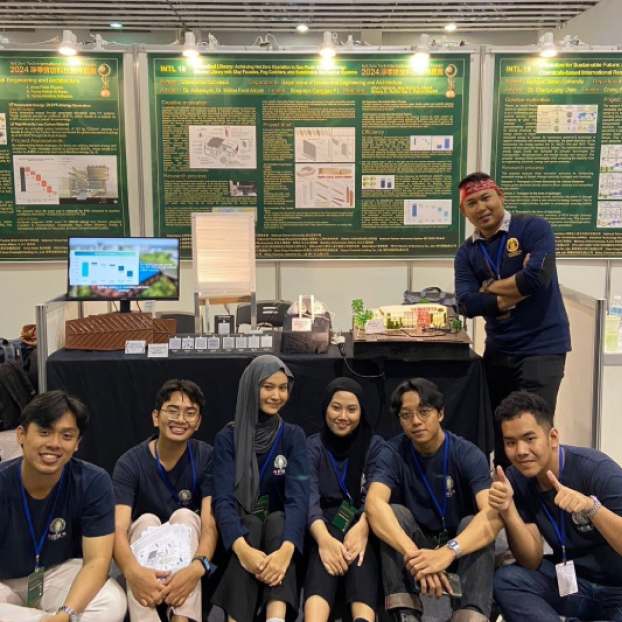
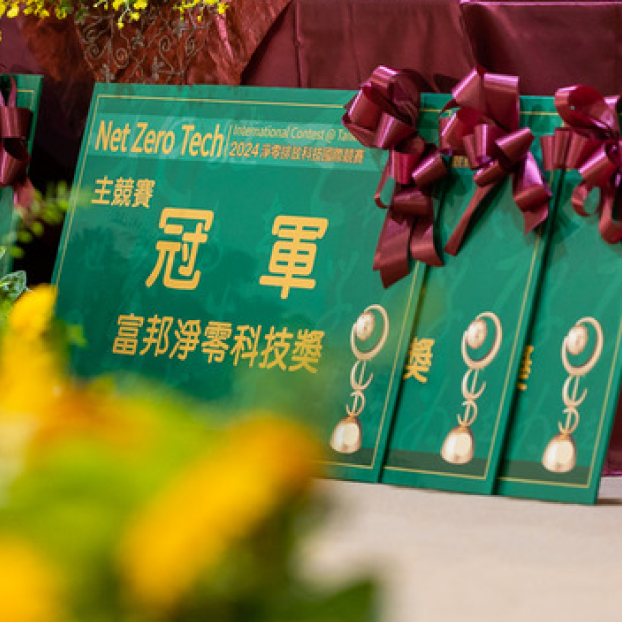
Taipei, August 21, 2024 – A student team from Universitas Indonesia (UI) earned the Excellence Award at the final round of an international green building design competition held at National Taiwan University (NTU), Taipei, Taiwan. Out of 99 global submissions involving undergraduate to PhD students, the UI team—Archine—was selected among the top 20 finalists, representing Indonesia and showcasing their commitment to sustainability and architectural innovation on the global stage.
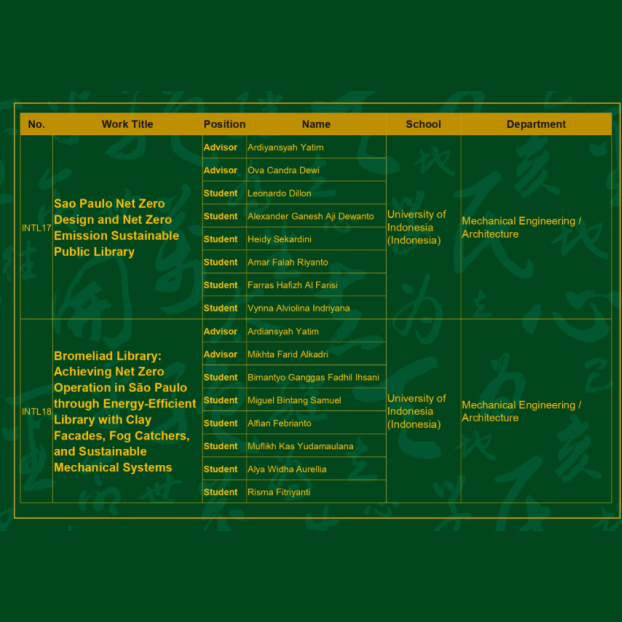
The Archine team consists of six students from UI’s Departments of Architecture and Mechanical Engineering: Muflikh Kas Yudamaulana, Alfian Febrianto, Alya Widha Aurellia, Risma Fitriyanti, Bimantyo Ganggas Fadhil Ihsani, and Miguel Bintang Samuel Silitonga. They were supervised by Ardiansyah Yatim, S.T., M.Eng., Ph.D., Dr. Mikhta Farid Alkadri, S.Ars., M.Ars., and Dr.-Ing. Ova Chandra Dewi, S.T.. This international recognition reflects the strength of cross-disciplinary collaboration in achieving sustainable design outcomes at the university level.
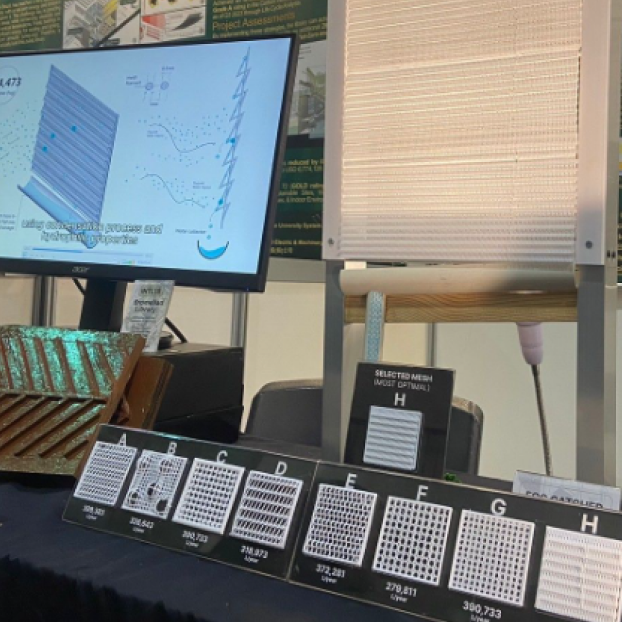
In this year’s competition, the UI team presented their project titled Bromeliad Library: Achieving Net-Zero Operation in São Paulo through Energy-Efficient Library with Clay Facades, Fog Catchers, and Sustainable Mechanical Systems. The library was designed as a prototype for a green public building that significantly reduces CO₂ emissions by integrating both passive and active architectural strategies. Passive approaches include maximizing daylight, minimizing solar heat gain, and implementing innovative clay façades and fog catchers for humidity control and water reuse. Active systems, on the other hand, feature Variable Refrigerant Flow (VRF) systems, Dedicated Outdoor Air Systems (DOAS) with demand-controlled ventilation, sensor-based LED lighting, and efficient water management through rainwater harvesting and greywater recycling. The design also incorporates photovoltaic panels to achieve full net-zero energy performance.
Results from simulation-based studies showed that the building’s Energy Use Intensity (EUI) was reduced from 211 kWh/m² to 87 kWh/m², marking a 59% improvement. This reduction was achieved through a combination of façade optimization (12.11%), window glazing improvements (1.69%), advanced lighting and control systems (9.25%), high-efficiency HVAC systems (35.45%), and renewable energy systems (44.31%). The fog catcher prototype, modeled biomimetically using computational tools, demonstrated 24% water collection efficiency and the potential to harvest up to 600,000 liters of water annually in the São Paulo climate.
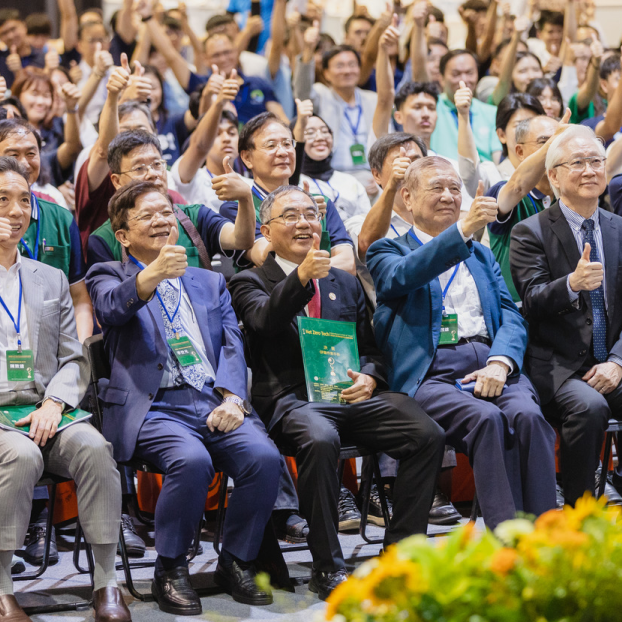
The competition, hosted at National Taiwan University, brought together top student teams from around the world to showcase innovative strategies for net-zero architecture. Participants were judged based on environmental performance, technical integration, originality, and the ability to address real-world climate challenges through building design.
Research Cluster of Architectural Sciences and Building Technology (ASBT)
Department of Architecture
Faculty of Engineering
University of Indonesia
Copyright © 2025 - PAR-Lab