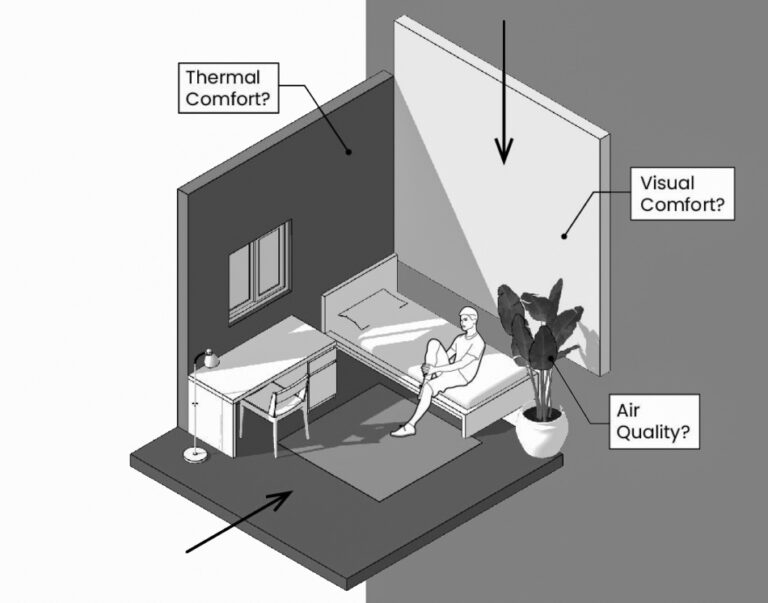
Facade is an important element that regulates the flow of energy in buildings. Adaptive facades are needed for their ability to provide flexibility in terms of energy flow and for their responses to dynamic external conditions thus help achieve thermal comfort in buildings leading to the impact on energy use. Adaptive facades can be achieved with several strategies, one of which is the use of smart materials, namely materials that are able to respond to changes of certain energy fields by changing their properties.
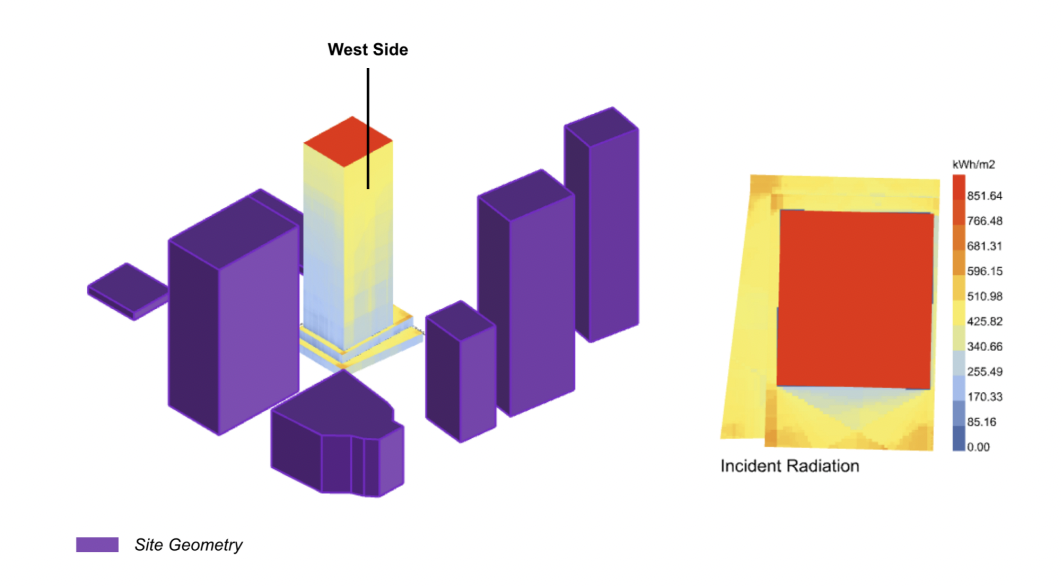
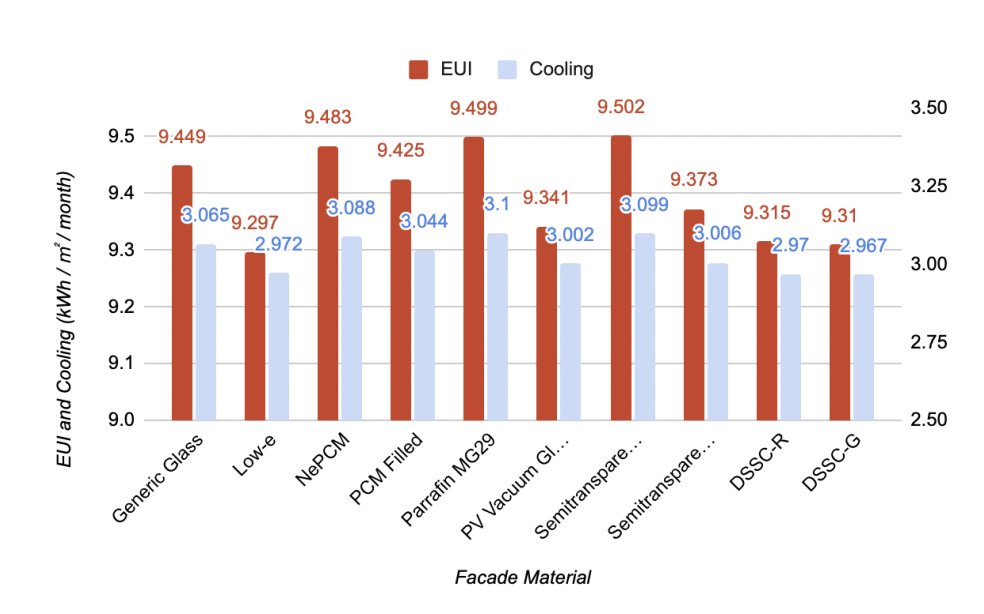
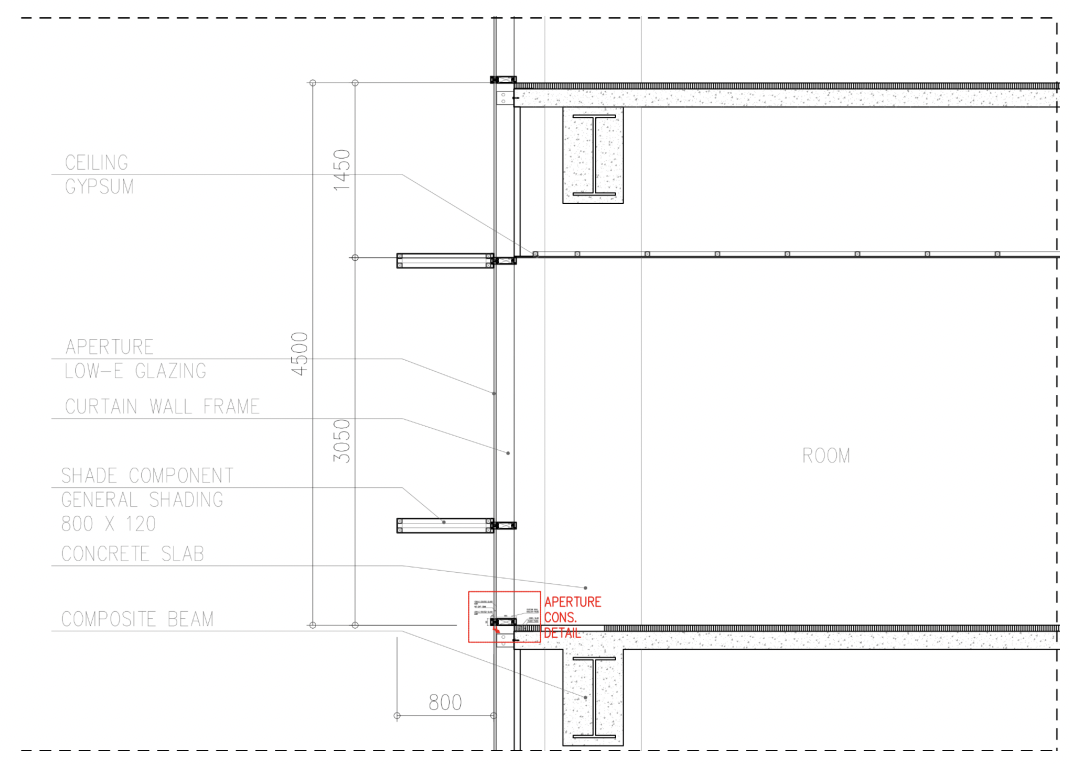
This thesis aims to assess the potential of smart materials for building facades and their applications in forming adaptive facades to identify their impact on energy consumption, especially for space cooling. To do so, energy simulations are carried out with the output of End Use Intensity (EUI) value on buildings. This simulation is conducted on a chosen building with existing facades and with variations of facades modification using smart materials; PV and PCM. EUI results between facades are then compared to assess the impact of each facades on energy consumption. In addition, the obtained EUI values are also compared with standards to assess the categories of energy use that can be achieved by the building.
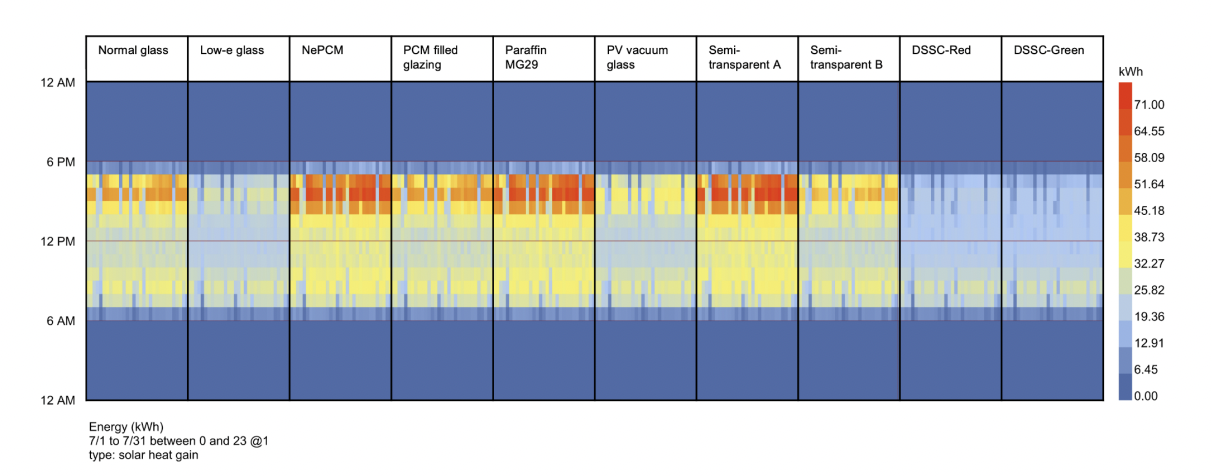
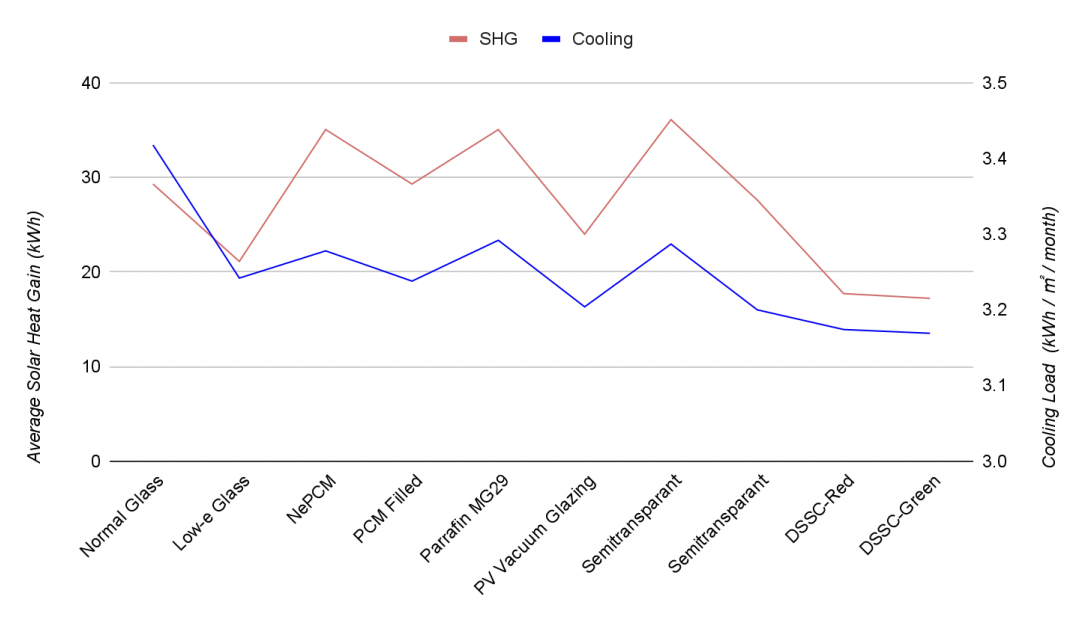
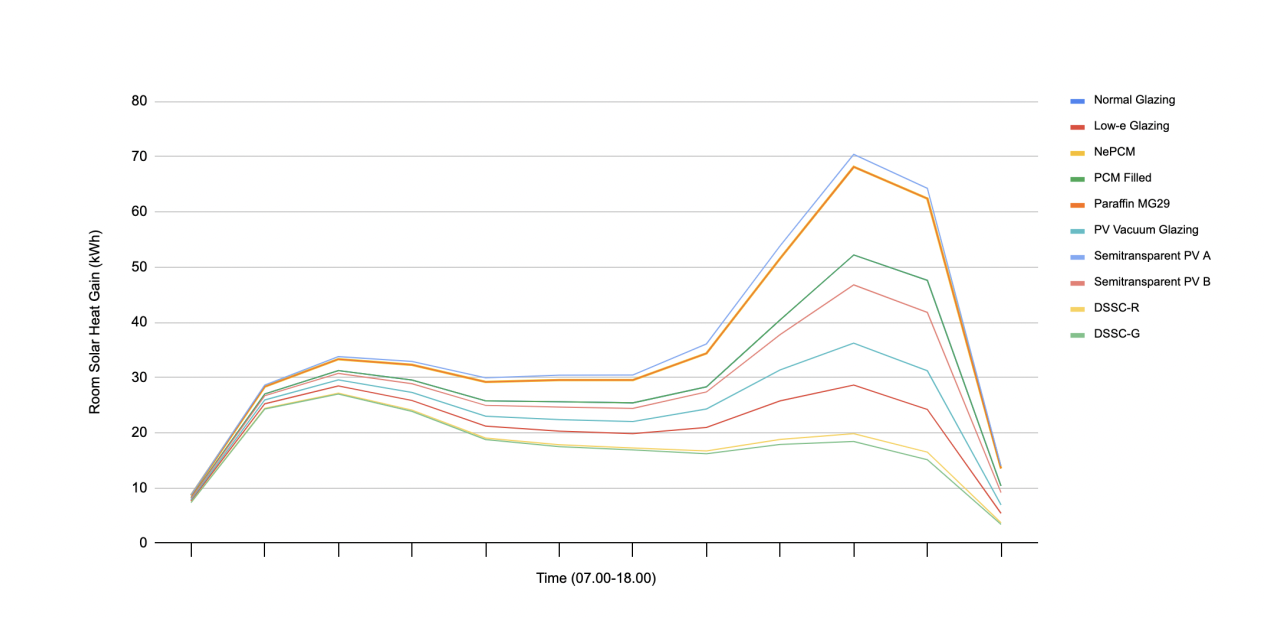
The simulation results show that there is no reduction in energy consumption in the modification of facades made of smart materials when compared to the use of the existing facade. In contrast, several variations of façades made of PV and PCM smart materials show an increase in indoor solar heat gain and building energy consumption, especially for space cooling purposes. Even so, buildings with smart material facade variations can still be categorized as energy efficient buildings according to energy use standards in Indonesia.
Keywords: Smart materials, PV, PCM, adaptive facade, End Use Intensity
Author: Stefanie Aylien Jonatan – Interior Architecture