Tropical Responsive Envelopes for Urban Heat Island mitigation in tropical countries

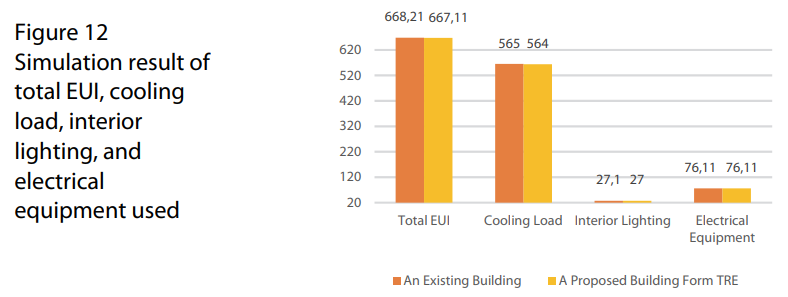
Since tropical countries present wet and dry seasons all year round, the objective of solar envelopes significantly shifts and aims to minimize the penetration of direct sun access to the buildings, due to high temperatures. As a consequence, the air conditioner (AC) frequently becomes a short-term solution to mitigate a building’s temperature, which unfortunately contributes to an annual increase in energy consumption. Accordingly, shading conditions become considerably relevant for urban form generation in tropical contexts, especially to reduce the UHI effect for tropical high-rise building areas. The concept of tropical responsive envelopes is then proposed not only to create shading for adjacent buildings but also to perform self-building protection that refers to self-shading envelopes. This concept specifically deals with solar-radiation reduction in order to achieve appropriate daylight in both the proposed building and the surrounding context. To do so, a solar protection plane and ray tracing analysis are performed based on shading performance criteria. In parallel, solar radiation simulation is applied to identify potential solar collectors on the building surfaces. This provides architects with a comprehensive method of tackling passive solar design strategy for urban equatorial climates.
This research is funded by the Directorate of Research and Development, Universitas Indonesia under Hibah PUTI 2023 (Grant no. NKB-528/UN2.RST/HKP.05.00/2023) 

This research was presented at The 41st Education and Research in Computer Aided Architectural Design Conference in Europe (eCAADe 2023) 
more insights

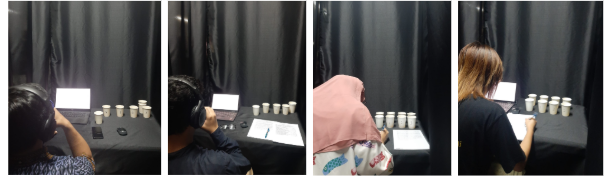
The Sound Environment as Taste Perception Moderator of Healthy Food and Beverage: Multisensory design of fruit juice drinking experiment

Funders: Directorate of Research and Development – PUTI Q1 UIYear : 2024Quantity: IDR 150.000.000Miktha Farid Alkadri (Principal Investigator) PROJECT DESCRIPTION This research explores how multisensory design—particularly acoustic environments—can influence the taste perception of low-sugar fruit juices. While sound is often overlooked in dining settings, studies have shown that background noise

Read more >

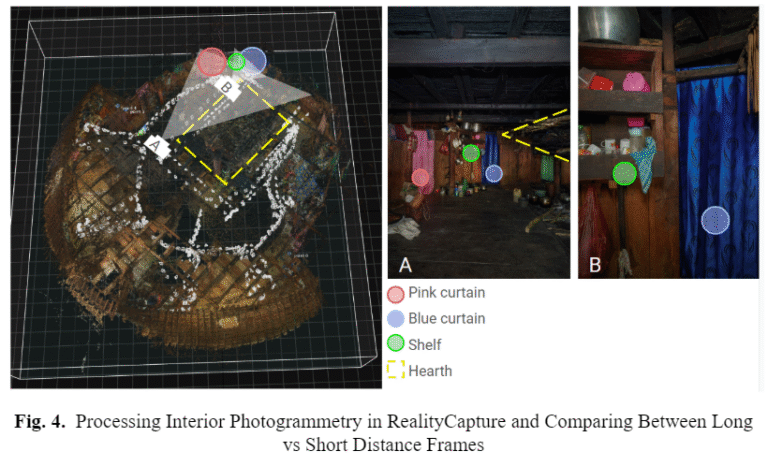
Documenting the cloud paradise Wae Rebo Vernacular houses, Manggarai, Indonesia

Funders: EWAP – Oxford BrookesYear : 2023Quantity: EUR 150,000Research Member (Architecture Team): Miktha Farid Alkadri, Yuliana, Stephanie Aylien Jonatan PROJECT DESCRIPTION This project aims to digitally preserve the traditional Mbaru Niang houses in Wae Rebo and Todo Villages, Flores, Indonesia—iconic conical structures that reflect deep cultural and environmental values. By

Read more >

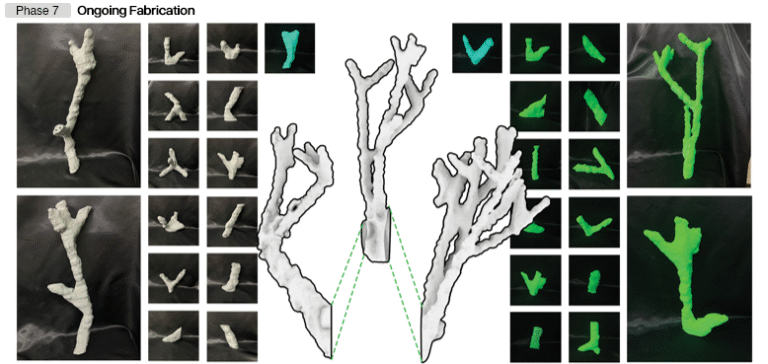
CROFOLOGY: Coral Reef Fabrication Technology

Funders: Directorate of Research and Development – PUTI Q1 UIYear : 2024Quantity: IDR 150.000.000Research Member (Architecture Team): Miktha Farid AlkadriHeidy Sekardini, Ricky Purbaya, Stefanie Aylien Jonatan, Alya Widha Aurellia PROJECT DESCRIPTION CROFOLOGY is a research-based design project that explores digital fabrication technologies for coral reef restoration. By combining marine ecology,

Read more >

Research Cluster of Architectural Sciences and Building Technology (ASBT)

Department of Architecture

Faculty of Engineering

University of Indonesia

Get In Touch

Copyright © 2025 - PAR-Lab