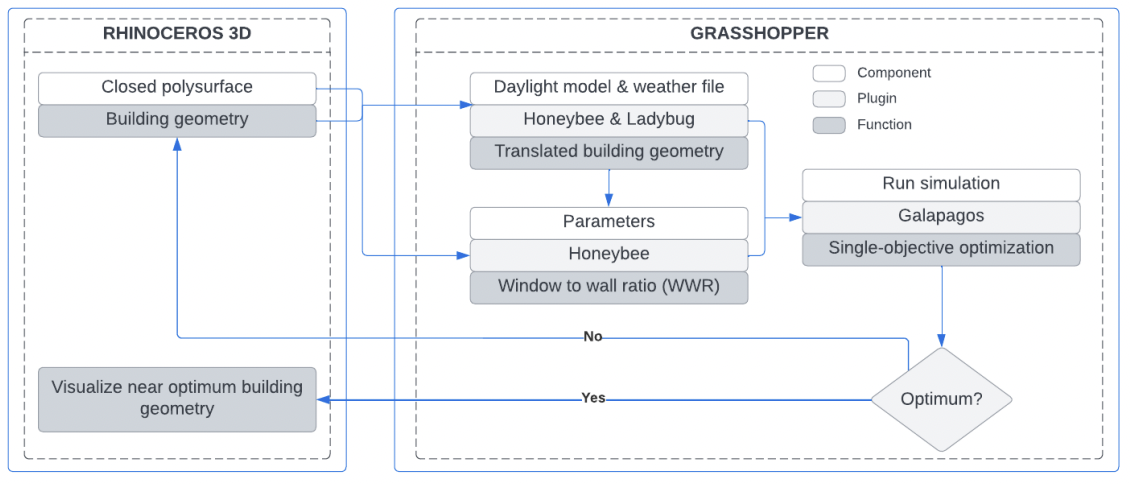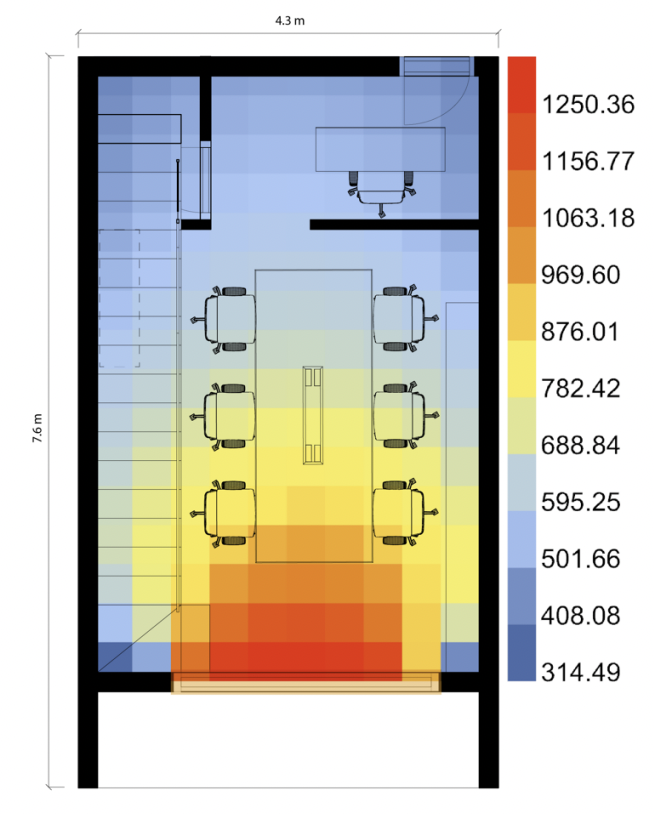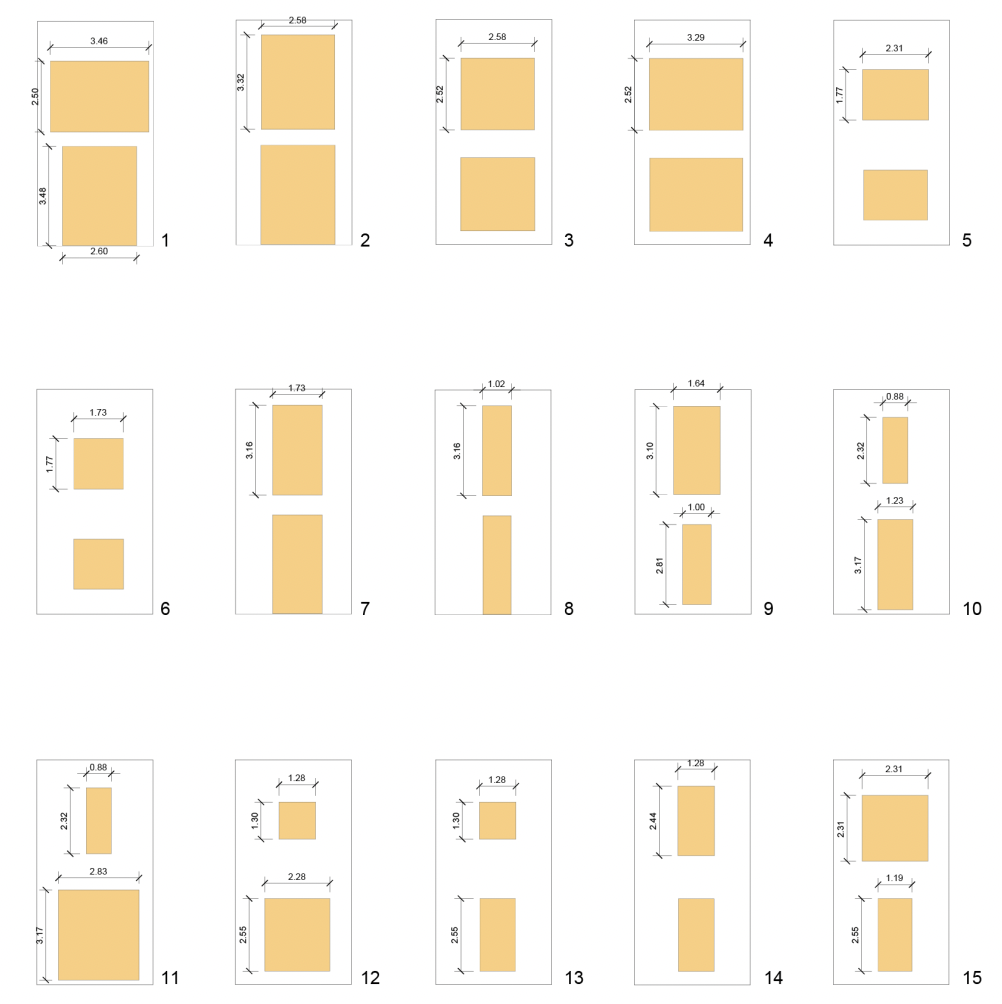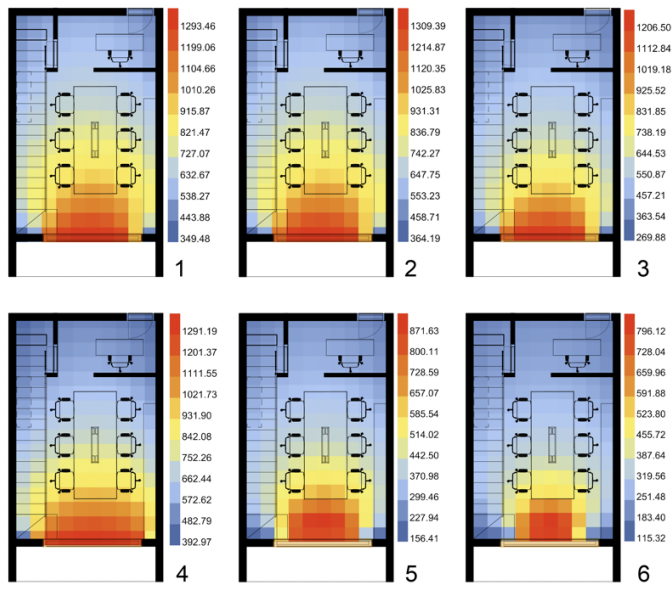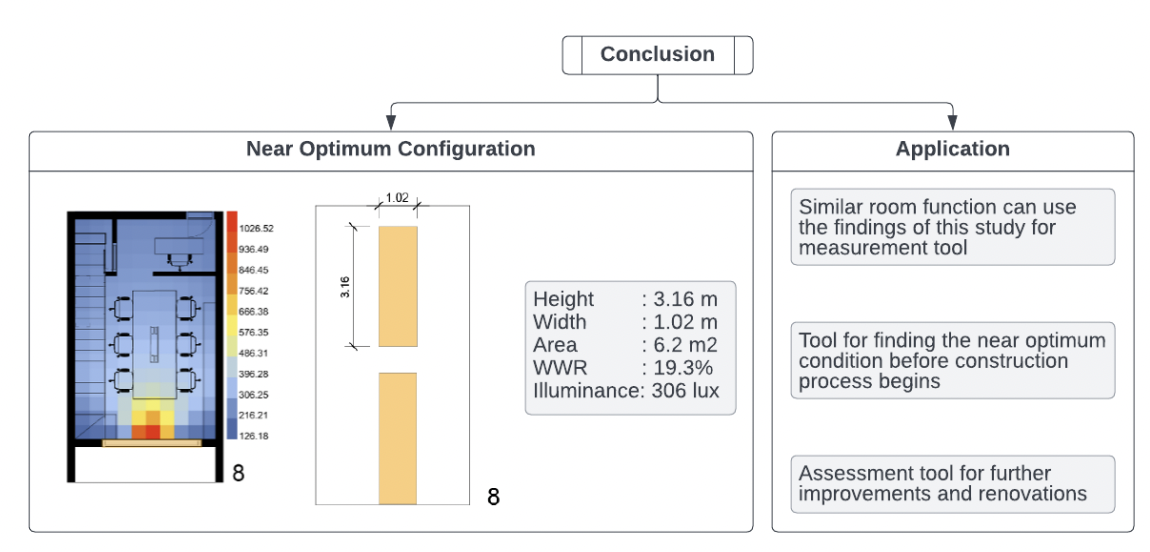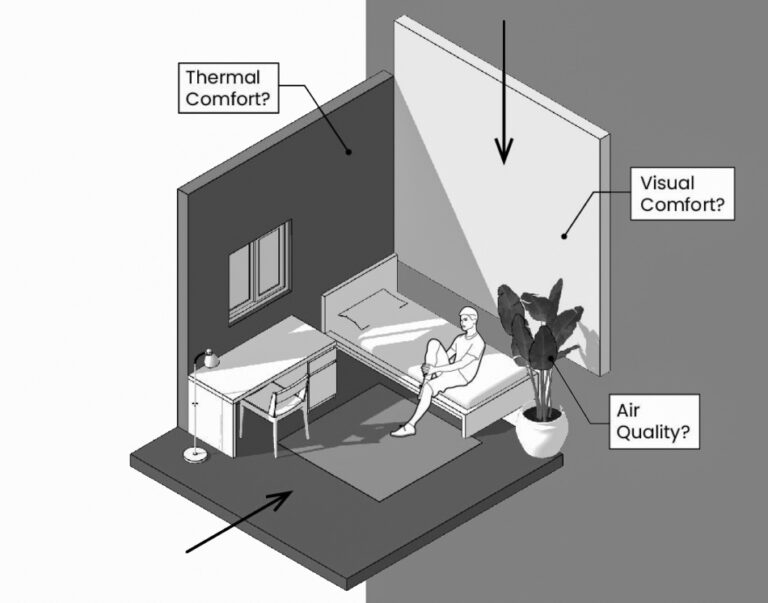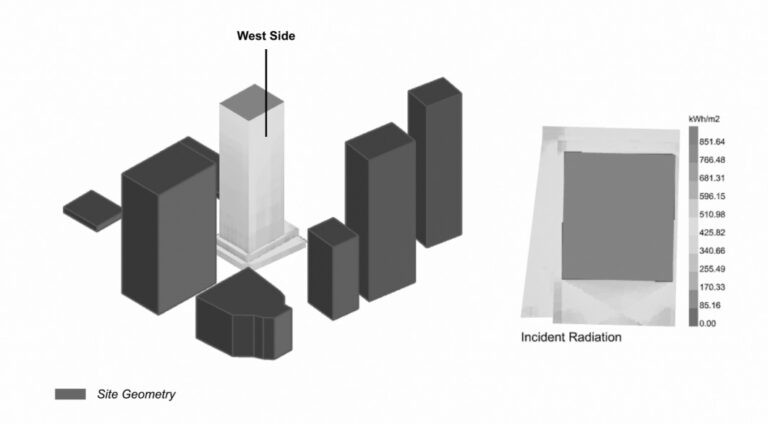
The majority of power used in buildings, approximately 75% of it, is used for lighting. Reducing energy use is necessary since it can contribute to a number of environmental issues, including climate change, thermal pollution, and air pollution. The best method to lower the amount of electricity required for lighting is to make as much use of natural light as possible. The utilization of daylight not only cuts down on energy consumption, but it also helps to boost human productivity. One of the strategies to utilize daylight in buildings is through the use of windows. Window to wall ratio (WWR) has been proven as one of the most effective methods of cutting down energy use, especially in office spaces. It can save up to roughly 8% of total energy consumption in an office building. While daylight is vital, it is also important to highlight that excessive daylight can cause problems such as the declining of human task performance. On the other hand, the case study that will be implemented in this study is a Small Office Home Office (SOHO) building in Pancoran, South Jakarta. SOHO is a concept of combining a living and an office space that houses a small company. Besides being in line with the previously mentioned subject, a SOHO concept is becoming more popular in major cities across Indonesia for its practicality. As population gets more dense and unused land is becoming scarce in Jakarta, SOHO is one of the alternative ways to reduce land use and to provide more living spaces as demand gets higher. Therefore, this study will talk about the most optimum condition for WWR configuration that provides enough daylight penetration for increasing productivity without having excessive illuminance levels in SOHO.
Keywords: optimization, daylight, window to wall ratio, WWR, illuminance, productivity, SOHO
Author: Ghayda Ameera Arbianandra – Architecture