Flexible and Sustainable Incremental Houses: Advancing Semi-Volumetric Systems of Prefabricated Construction for Rapid Urbanization in Indonesia

Author: Viata Viriezky, Dalhar Susanto, Miktha Farid Alkadri
Journal of Infrastructures
DOI: 10.3390/infrastructures10010005

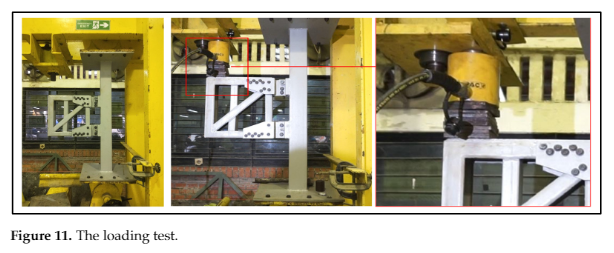
The Indonesian population is projected to increase by 66.65 in 2035 due to the continuous rise in urbanization globally. The growth contributed to the growing housing backlog and limited availability of residential spaces. This led to the evolution of incremental housing construction as an appropriate solution to residents’ needs. However, several factors hinder the implementation of incremental housing, including prolonged construction durations that delay the completion of an entire house, compromised quality of workmanship and materials, as well as poor flexibility. Conventional on-site construction, with concrete serving as the main material, led to prolonged construction time, difficult renovation, and untreatable waste. Preliminary studies have been conducted on incremental housing from urban development and financial perspectives, with none on alternative construction systems. Therefore, this study aimed to develop flexible and sustainable incremental housing with an assembly–disassembly system capable of reducing construction time and waste. This study experimented on the connection systems through digital simulations and prototypes leading to a construction system that combines frames and panels in a semi-volumetric system. It also combined a plug-and-play connection type to achieve the highest assembly–disassembly efficiency value (0.07), the lowest waste (below 25%), and a 30% shorter construction time. The result showed no displacement when tested with a load of up to 3 tons. This study contributed to the growing body of knowledge on alternative incremental house construction techniques, paving the way for more adaptable and environmentally responsible housing solutions in urban settings, particularly in rapidly urbanizing regions like Indonesia.
https://www.researchgate.net/publication/387518236_Flexible_and_Sustainable_Incremental_Houses_Advancing_Semi-Volumetric_Systems_of_Prefabricated_Construction_for_Rapid_Urbanization_in_Indonesia

more insights

The Sound Environment as Taste Perception Moderator of Healthy Food and Beverage: Multisensory design of fruit juice drinking experiment

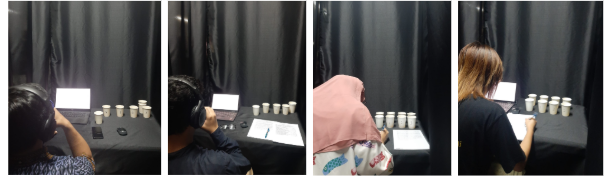
Funders: Directorate of Research and Development – PUTI Q1 UIYear : 2024Quantity: IDR 150.000.000Miktha Farid Alkadri (Principal Investigator) PROJECT DESCRIPTION This research explores how multisensory design—particularly acoustic environments—can influence the taste perception of low-sugar fruit juices. While sound is often overlooked in dining settings, studies have shown that background noise

Read more >

Documenting the cloud paradise Wae Rebo Vernacular houses, Manggarai, Indonesia

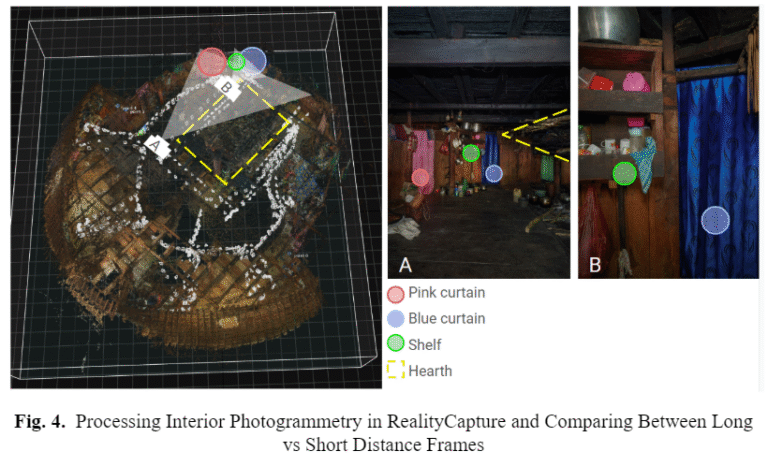
Funders: EWAP – Oxford BrookesYear : 2023Quantity: EUR 150,000Research Member (Architecture Team): Miktha Farid Alkadri, Yuliana, Stephanie Aylien Jonatan PROJECT DESCRIPTION This project aims to digitally preserve the traditional Mbaru Niang houses in Wae Rebo and Todo Villages, Flores, Indonesia—iconic conical structures that reflect deep cultural and environmental values. By

Read more >

CROFOLOGY: Coral Reef Fabrication Technology

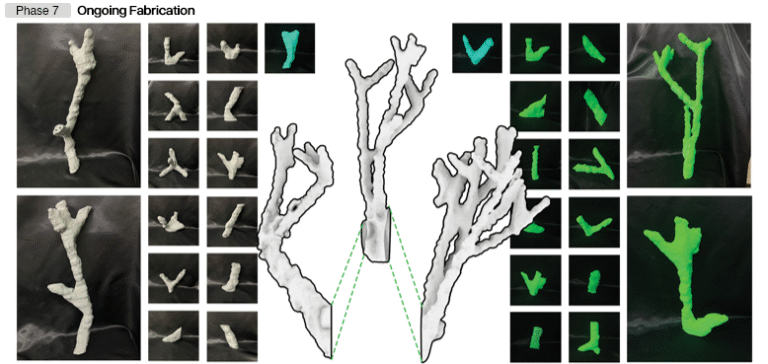
Funders: Directorate of Research and Development – PUTI Q1 UIYear : 2024Quantity: IDR 150.000.000Research Member (Architecture Team): Miktha Farid AlkadriHeidy Sekardini, Ricky Purbaya, Stefanie Aylien Jonatan, Alya Widha Aurellia PROJECT DESCRIPTION CROFOLOGY is a research-based design project that explores digital fabrication technologies for coral reef restoration. By combining marine ecology,

Read more >

Research Cluster of Architectural Sciences and Building Technology (ASBT)

Department of Architecture

Faculty of Engineering

University of Indonesia

Get In Touch

Copyright © 2025 - PAR-Lab